
A Market of Opportunities Begins to Reappear
A field-level view of rental weakness, refinancing pressure, demographic momentum, and the cautious reopening of a buyers’ market in West-Central Florida.

Over my years of activity in Florida, I have been “living on the line,” commuting back and forth. I have learned to leverage that partial physical presence in the market. It lets me shift perspective, gain proportion, and stay oriented. The system we built makes this possible because the daily management of our properties is carried out by our American partner—our boots on the ground. Taking a snapshot of conditions each time I arrive is highly instructive, so I make a point of holding comprehensive meetings and diving deeply into the data before and after every trip.
From a bird's-eye view, within the specific and clearly defined territory where I operate, the current picture is this: the rental market is weak, leaving properties at lower valuations. At the same time, many properties are approaching refinancing dates. Weak revenue and sharply rising fixed expenses make refinancing difficult, and a trend of disproportionate price declines is taking hold.
The market is becoming a buyers' market. We are even beginning to see properties move from owners to lenders, who then offer them for sale simply to recover the loan principal.
The trend is not fundamentally different from recent years, except that sellers have run out of patience and their ability to wait has diminished. Significantly more deals are reaching the market, and negotiation appears more flexible.
This raises the age-old question of market timing and the falling knife. U.S. real estate cycles tend to be volatile, with sharp upward and downward moves. Since interest rates rose in early 2023, the cycle has been negative. Following tariff policies and the Gulf war, U.S. inflation has risen again, and potential rate increases are once more being discussed. Are we at the start of a tailspin that will drive valuations much lower, or are we close to the bottom?
The positive side also matters. Essential macro trends in the United States generally, and Western Florida in particular, could reverse direction and move the market forward: domestic migration to Florida, the rebuilding of the middle class, continued Baby Boomer retirement migration, favorable tax laws, personal security, business stability, and more. Social, political, business, and cultural catalysts reinforce one another. Overall, Florida maintains clear growth momentum despite the real estate sector's challenges.
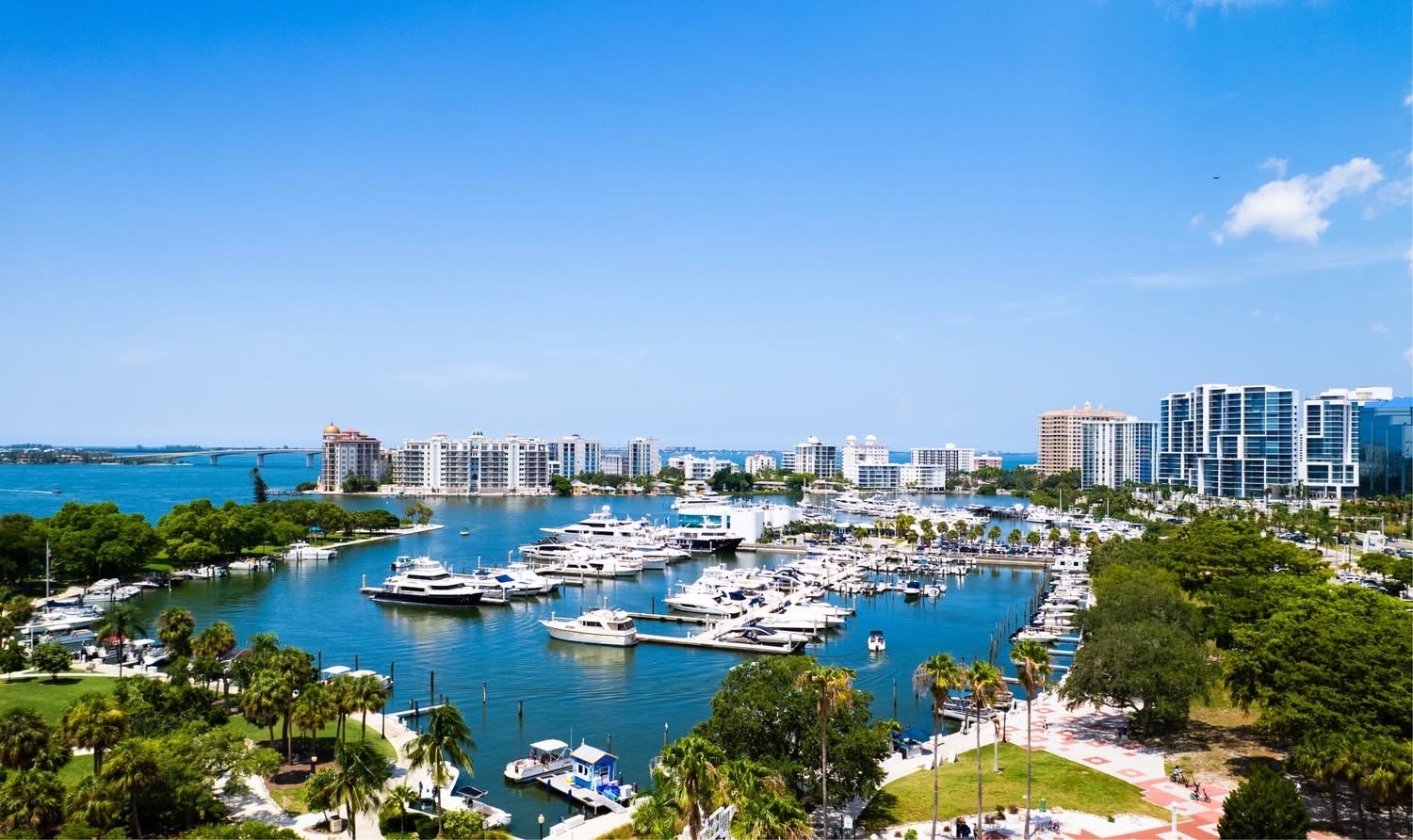
During meetings on my latest trip to Florida, from which I have just returned, my impression was that Western Florida continues to develop. Patient capital is being invested in luxury condominiums, multifamily complexes, and major commercial centers. New projects are filling with buyers and tenants, even if more slowly. Local centers of gravity such as Sarasota, south of Tampa, are thriving.
With great caution, I would say that the market is returning to a market of opportunities—a window is opening. The caveats are significant, led by the need for conservative financial analysis and creative structuring in every deal.