
A Few Words on West-Central Florida’s Residential Market
A partner’s view of the market cycle since 2012, the end of a long-running anomaly, and why disciplined acquisitions and meticulous management still matter.

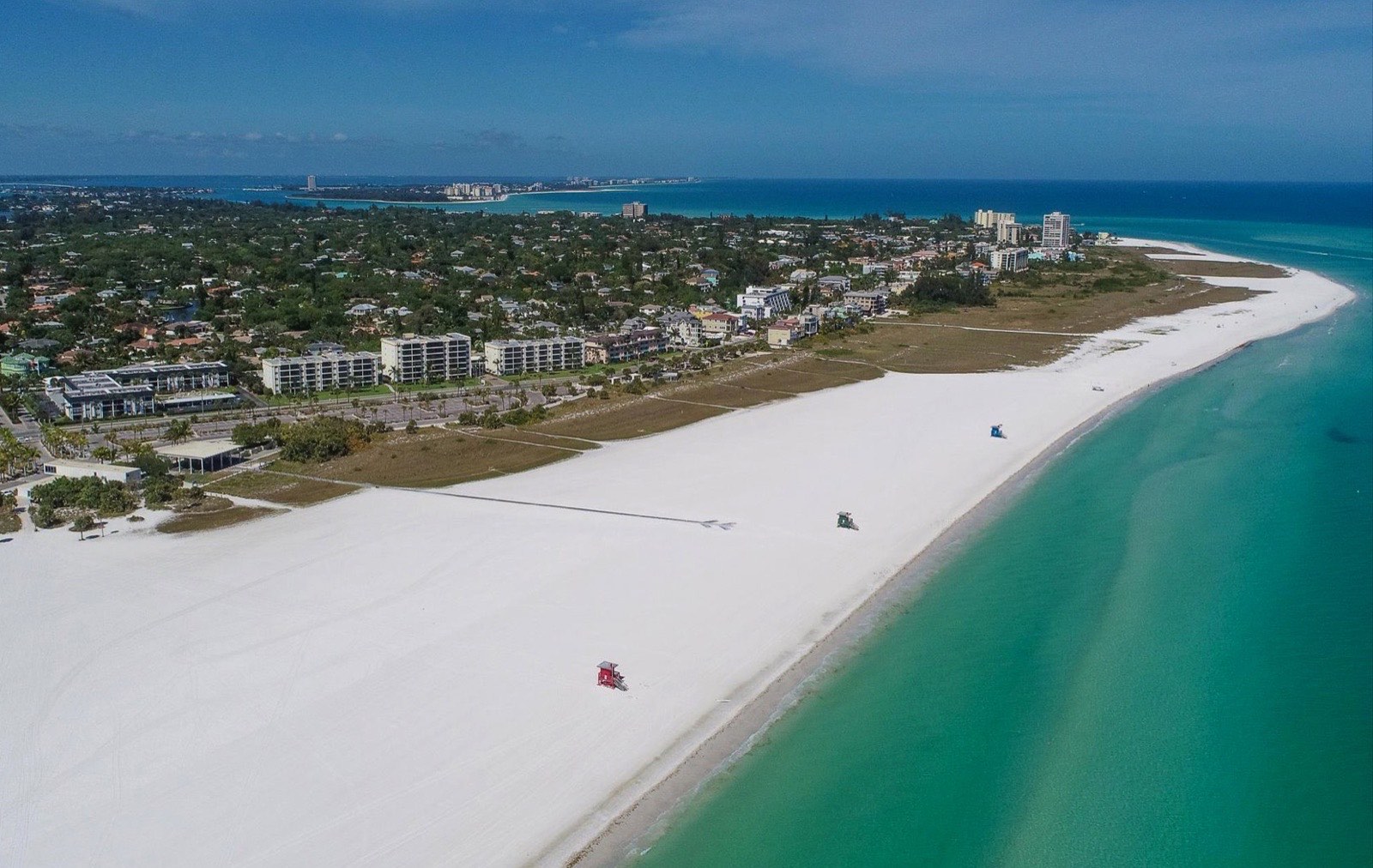
Since 2012, I have been investing in residential real estate in West Florida, primarily from Tampa southward along the coast. Our initial focus on single-family homes quickly transitioned to multifamily complexes, through transactions executed with our own and our investors' equity and financed by U.S. lending institutions.
The years following the 2008 credit crisis were a period of recovery and growth. Initially, there was a true “magical anomaly”: properties were cheaper to purchase than to build. There was a natural hedge that seemed to prevent failure. If the market turned bad, people would leave homes they had purchased and enter the rental market, increasing demand for apartments and houses. Rents—and with them property values—would rise.
Conversely, if the market improved, more people would move out on their own, wages would rise, and household rental budgets would expand. That also led to strong demand, higher rents, and increased property values. It was a win-win situation—or, as I called it, a magical anomaly.
The celebration continued through COVID-19. Florida did not shut down like many other parts of the United States, and life proceeded largely as usual. Working from home increased the value of the home itself, while many people—particularly from higher-income groups—relocated from New York to work remotely from Florida. Federal stimulus money added fuel, and from 2020 through late 2022 the surge intensified. It became a sellers' market and property values grew inflated.
That came to an abrupt halt when inflation emerged and interest rates rose to contain it. The real estate market in our focus areas stopped as if someone had pulled the handbrake. In the years since, many investors have lost interest in U.S. real estate generally and Florida in particular.
The secret to investing during this period was extreme conservatism at entry and the tightest possible management of both income and expenses. Personally, I called this the “Hedgehog Strategy.”
From late 2022 to the present, we navigated with great caution. Most properties remained profitable, though at lower margins. A few experienced minor bleeding, but nothing alarming. Overall, our investment thesis proved itself: acquiring at the right price and managing meticulously creates a conservative strategy that can withstand a downturn while preserving upside when the cycle turns positive.
The number of deals meeting our criteria was low, and the number we closed was lower still. Nevertheless, we completed transactions and grew our managed portfolio without compromising our conservative benchmarks, while using creative and diverse financing solutions.
At the same time, we continued analyzing potential deals and monitoring the market. Our key insight was that while many owners were hurting, their pain was not sufficient to drive prices and valuations down materially. Deals whose modeled numbers made sense remained difficult to find.
Recently, however, I have begun to observe a shift and identify a new anomaly. Several emerging trends deserve a closer look and further thought.